
Mindenem az írás – Interjú SJ Rozan amerikai írónővel
2018.03.07. - 14:30 | Rozán Eszter

SJ (Shira Judit) Rozan New Yorkban élő építész, krimiíró, haiku-költő. Életét a könyvek és az írás iránti szeretet tölti be, ezért döntött úgy, hogy az építészetet otthagyva az írásnak szenteli magát. Rengeteg krimi és thriller került ki a keze közül, történetei lebilincselőek. Exkluzív interjúnk következik!
SJ Rozan amerikai író egy kelet-európai körútja során látogatott Magyarországra. Mivel névrokonom (s ki tudja, talán valódi rokoni kötelék is összeköt minket), muszáj volt találkoznunk. Kedves, közvetlen stílusával azonnal rabul ejtett, s bár távol élünk egymástól, rengeteg közös olvasmányt, kulturális élményt találtunk.
New Yorkban születtél, egész életedben ott éltél, milyen a kötődésed a városhoz?
Imádom New Yorkot! Különösen az etnikai sokszínűséget kedvelem, a különböző nyelveket, ételeket, arcokat, ahogy egyik környékről a másikra megyünk, sőt egyik háztömbből a másikba. Nagyon szeretem a múzeumokat, a koncerttermeket, a galériákat és a kulturális eseményeket, mint például a kínai opera vagy az ír harmonika zene, és mindezek csupán néhány földalatti megállónyira vannak a lakásomtól.
Természetesen vannak kedvenc helyeim, nem is egy, ilyen a kínai negyed, a botanikus kert Bronxban, a Central Park, a Red Hook, vagy a közvetlen szomszédságom, a West Village, de szeretek bármilyen utcán végigmenni és nézelődni.
Milyen volt a gyerekkorod? Szívesen gondolsz rá vissza?
Van egy bátyám és két húgom, Bronxban nőttünk fel egy sorházban. Az apám New Yorkban töltötte a gyerekkorát, az anyám Bostonban nevelkedett, a házasságkötése után költözött New Yorkba. A ház, ahol laktunk, Észak-Bronxban volt, tele hozzánk hasonló kölykökkel. Rengeteget játszottunk az utcán, félreálltunk, ha jöttek az autók. A legjobb barátom egy fiú volt, aki a szemközti házban lakott. Imádtunk biciklizni, általában jóval messzebbre kerekeztünk a megengedettnél, de sose mondtuk el otthon. Gyakran eljártam a helyi közösségi központba, és a mából visszatekintve olyan érzésem van, mintha a fél gyermekkoromat a könyvtárban töltöttem volna.
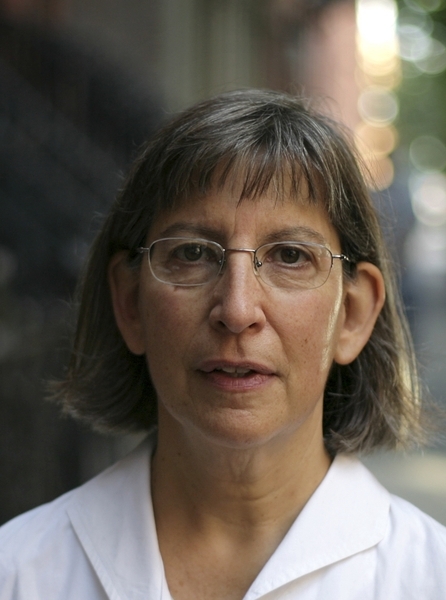 A New Yorki Állami Egyetemen szereztél diplomát építészetből, miért éppen ezt a szakmát választottad?
Mindig is író akartam lenni, de szerettem volna egy olyan szakmát választani mellette, mellyel megváltoztathatom az emberek életét. Természetesen az írás is ugyanezt teszi, de fiatal fejjel még nem láttam be ezt. Érdekeltek a környezetemben lévő épületek, így az építészet magától adódott. Sosem voltam tervező, a terepen dolgoztam a vállalkozókkal, technikai részletekkel foglalkoztam, olyanokkal, melyekkel a legtöbb tervező nem akart bajlódni, de szerettem.
A cég, amelynek dolgoztam, új házak építésével, illetve régiek helyreállításával foglalkozott. Én az épületek renoválását végeztem, mert ámulatba ejtett, hogyan nézett ki eredetileg egy régi ház, és az, hogy mit tudsz tenni, vagy mit kell csinálnod, ahhoz, hogy az eredeti anyagokat összekösd a jelen követelményeinek megfelelő technológiával
Az egyik legfőbb munkám a New York állam északi részén lévő Women's Rights National Historical Parkban volt, új épületek létrehozásából, régiek rendbetételéből állt. Rendkívül jó volt egy nemzeti parkban a múltat ötvözni a jelennel. Dolgoztam rendőrségi épületeken, tűzoltóknál, iskolákban, állatkerteknek.
Mikor jött el a döntő pillanat, amikor az írás győzött az építészet felett?
Egy idő után az írás utáni vágyam egyre erősebb lett, gyerekkorom óta írni szerettem volna, hogy már képtelen voltam nem tudomásul venni. Amikor írni kezdtem, még mindig építészként dolgoztam, és úgy jelentek meg a könyveim. Így ment ez 15 éven keresztül, míg végül teljes állású író lettem.
Miért a krimit, a thrillert és a misztikus történeteket választottad?
A krimiben megjelenő problémák, az élet-halál kérdése, a korrupció, a bűnözés, valós problémák. Érnek annyit, hogy foglalkozzunk velük.
Hol játszódnak a történeteid?
A többségük New Yorkban, egy regényem Hong Kongban, egy New York államban, egy másik Rómában és részben Shanghaiban.
Ki Lydia Chin és Bill Smith?
Ők a sorozatom karakterei, magánnyomozók New Yorkban, most már partnerek is (kezdetben nem voltak). Lydia a húszas évei végén járó kínai-amerikai nő, a kínai negyedben lakik az anyjával és négy fiútestvérével, ott, ahol felnőttek. Bill a negyvenes éveiben jár, délen született, a gyerekkorát a világ különböző katonai bázisain töltötte, ahová az apját vezényelték. Utazásai során rengeteg nyelvet felszedett, és tud zongorázni. Bill és Lydia könyvről könyvre cserélgetik a narrátor szerepét, hol az egyikük meséli a történetet, hol a másik, a partnere pedig a társaként tevékenykedik.
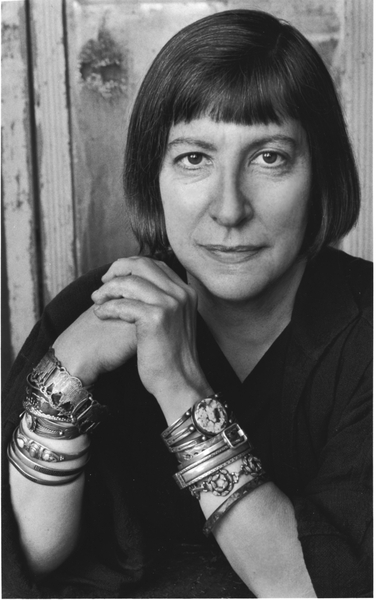 Sam Cabot néven is jelent meg könyved, amit ketten írtatok. Honnét jött az ötlet, hogy együtt dolgozz valakivel, és miért használtatok álnevet?
A BLOOD OF THE LAMB (A bárány vére) és a SKIN OF THE WOLF (A farkas bőre) két kötet, mely egymás folytatása. Az álnév a kiadó ötlete volt, Sam vagyok én (a nagyapám volt Sam), a társam pedig Cabot, mert a John Cabot Egyetemen végzett Rómában.
Carlos Dews keresett meg, hogy dolgozzunk együtt, és én nagyszerűnek találtam az ötletet, paranormális jelenségek felnőtteknek, megmagyarázni a különböző paranormális legendákat és teremtményeket, és összeállítani egy thriller sorozattá, remek dolog. A könyvek jó kritikát kaptak, az olvasók is szívesen fogadták, de mivel nem fogyott elég példány belőlük, a kiadónk nem kötött velünk újabb szerződést további könyvekre.
Haikukat is írsz, melyekre a kötött forma a jellemző. Követed az eredeti 5-7-5 szótagolást, vagy eltérsz ettől?
Az 5-7-5-ös szótagolást követem, és megpróbálom tartani magam a haiku eredeti szabályaihoz (nem minden esetben): a természetről szóljon, legyenek benne emberek, ne tartalmazzon absztrakt gondolatokat, minden sora legyen önálló, és az utolsó sora legyen egy csavar vagy meglepetés, de ne túl nagy.
A The Shanghai Moon című könyvedben visszatérsz kedvenc szereplőidhez, Lydia Chinhez Bill Smith-ez. A történet középpontjában egy ékszer, a The Shanghai Moon áll. Mit kell tudnunk a könyvről?
A The Shanghai Moon című könyvem a shanghai zsidó gettó iránti érdeklődésemből született. A gettót a II. világháborúban hozták létre. Kevésbé ismert, hogy a 20 000 ezer zsidót, akik Kelet-Európából a nácik ellen menekültek, egyedül Kína fogadta be. A könyvben előre-hátra ugrok az időben, egy történetet mesélek el a fiktív brossról, a The Shanghai Moonról. A bross az akkori Shnaghaiban készült, de egy mai sztori középpontjába kerül.
Az IN THIS RAIN (Ebben az esőben) című könyvemben politikával, ingatlanügynökökkel és korrupcióval foglalkozom. A regény metszőpontokat ölel át, különböző szemszögből követhetjük nyomon az eseményeket. Megjelenik Harlem, az alacsony jövedelmű, fenyegetett emberek élete.
Mi a kedvenc könyved?
Ha az enyémekre gondolsz, nem igazán tudom megmondani. Mindig azt szeretem, amin éppen dolgozom, aztán jöhet a következő.
Ha más szerzőket kérdezel, akkor Margaret Atwood: A vak bérgyilkos című könyve és Murakami Harukitól a Kaffka a tengerparton.
Szereted Agatha Christie-t?
Nagyon. Állandóan csodálom, hogy milyen mélyen megértette az emberi érzelmeket és motivációkat.
Úgy tudom, kosárlabdázol...
Igen, játszom. Rosszul. Sok-sok évvel ezelőtt egy novellához szükséges kutatómunkám során találtam rá a kosárlabdára, ami Edgar-nevezéshez vezetett, de nem nyertem. A kosárlabdába viszont beleszerettem, azóta is játszom rendületlenül.
SJ Rozan rendkívül aktív életet él, konferenciákra jár, előadásokat tart egyetemeken, sportol, és persze mindig dolgozik egy újabb íráson. Sajnos egyelőre még nem olvashatjuk magyarul, de angol nyelven megtalálhatjuk a könyveit az interneten.
Amerikai olvasóink kedvéért közöljük az interjút angolul is.
You were born in New York, and now you live in this city as well. Do you like New York? What do you like in it? Do you have favorite places?
I love New York! I love especially the ethnic mix, the languages, foods and faces as you move from neighborhood to neighborhood, even from block to block. I love the museums, concert halls, galleries, and having cultural events like Beijing Opera and Irish accordion music just a subway ride away.
Favorite places? Yes: Chinatown, the Bronx Botanical Garden, the Rubin Museum, Central Park, Red Hook, my neighborhood (the West Village)... but also, just about any street I can walk down and look around.
What was your chlidhood like? Can you remember it with pleasure?
I have an older brother and two younger sisters. We grew up in a series of houses in the Bronx. My father had grown up in NYC in apartments, but my mother growing up in Boston had always lived in a house. She was willing to move to NYC when she got married, but to an apartment only temporarily.
The houses we lived in were all in the same North Bronx neighborhood, which was filled with kids. We played NYC kids' games on the street, moving aside to let the cars go by. My best friend was the boy across the street. We regularly rode our bikes farther outside the neighborhood than we were allowed to go, and never admitted it. I went to day camp at the local community center and spent what now seems like half my childhood at the library.
You received a master's in architecture from the State University of New York at Buffalo. Why did you started to deal with architecture? Do you have favorite architectural style? Tell us please about your architectural work!
I wanted to be a writer, but I also wanted to have a career that made a difference in people's lives. Of course, writing does that, but I couldn't see that when I was younger. I've always been interested in the built world around me, so architecture was a natural. I was never a designer; I was the person in the field, with the contractor, and I was a specifications writer, an extremely technical specialty most architects keep away from but that I loved.
The firm I worked with did a lot of new buildings but also a lot of restoration and renovation. I mostly did the restoration and renovation, because it's so fascinating to see how things were built originally, and what you can or have to do when you're dealing with original fabric and trying to knit it into the present day.
One of our major projects involved new building and re-use, restoration, and renovation at the Women's Rights National Historical Park in upstate New York. It was fascinating, combining history and the present-day requirements of a national park. I've also worked on police stations, firehouses, schools, and zoo buildings.
Why did you leave the architecture and start to write novels?
Finally, the desire to write -- something I'd wanted since my childhood, actually -- was too strong to ignore. When I started to write, I was still working as an architect, and in fact I stayed at the firm for 15 years while my books were being published before I finally left to write full-time.
Why did you choose detective fiction, thrillers and mystery as your genre?
The problems in detective fiction -- life and death, corruption, crime -- are real-life, big problems. They're worth thinking about and dealing with.
Where are your books set?
Many of them, in and around NYC. One in Hong Kong, one in upstate New York, one in Rome, one partly in Shanghai.
Who are Lydia Chin and Bill Smith?
They're my series characters: A pair of private investigators, partners by now (but not in the beginning) who work out of NYC. Lydia is a late-20's Chinese-American woman who lives in Chinatown with her mother in the apartment she and her four brothers grew up in. Bill, 40-something, was born in the South and grew up on Army bases around the world as his father was transferred. He picked up a lot of languages along the way and plays the piano. They alternate as narrators from book to book, with one telling the story and the other being the sidekick.
You authored a book, the Blood of the Lamb with Carlos Dews under the name Sam Cabot. Why did you decide to write a book together, and why did you choose this pseudonym? It is a vampire story in Vatican City. What was the reception of the book? Do you like vampire books like Bram Stoker's Dracula?
There are actually two books in this series, BLOOD OF THE LAMB and SKIN OF THE WOLF. Having a pseudonym was the publisher's idea: they wanted the books to come out under a single name, which seems to work better for thrillers than co-authorship. The "Sam" was for me -- SJ, and my grandfather's name was Sam -- and the "Cabot" was for Carlos, who teaches at John Cabot University in Rome.
Carlos came to me with the idea to work together, and the project sounded great -- paranormals for adults, explaining all the various paranormal creatures/legends on earth, tying them together in a series of thrillers... Unfortunately the publishing reality was that though the books got good reviews and readers seemed to like them, they didn't sell well enough for the publisher to want to go on after the contract for the first two was complete.
You write haiku too. Haiku is short, it has bound form. Do you follow the original form 5, 7, and 5 syllabes, or you write modern form?
I write 5, 7, 5, and now I also follow a couple of other traditional rules (though I didn't always): haiku must be about nature, which can include people, but not abstract thoughts; each line must be self-contained; and the last line must contain a twist or surprise, however small.
In The Shanghai Moon, you return to the much-loved characters Lydia Chin and Bill Smith. The center of the story is a jewelry, The Shanghai Moon. What would you like to tell about this book?
THE SHANGHAI MOON is the result of my interest in the Jewish Ghetto that formed in Shanghai during WWII. It's a story not well known, but 20,000 Jews from Eastern Europe escaped the Nazis to the only country that would allow Jewish refugees -- China. The book goes back and forth in time, telling the (fictional) story of the legendary Shanghai Moon, a brooch made in Shanghai in that time and at the center of a modern-day mystery.
Three years ago, a child's death blew open a vortex of corruption inside Manhattan's lucrative construction industry. And it sent one innocent man to jail. Introduce us the book In this rain!
IN THIS RAIN is a NYC book, set at the intersection of politics, real estate, and crime. As you can imagine, it's a big intersection. The people who are threatened, of course, are the low-income residents of the gentrifying community -- in this case, Harlem. It's a multi-point-of-view book, with the story being seen from a number of different vantage points as it goes forward.
What is your favorite book?
If you mean my own, I can't really answer; it's always the one I most recently wrote because I'm still living in its world. Until I start the next one...
If you mean another writer's, that's a long list, but Margaret Atwood's THE BLIND ASSASSIN is certainly up near the top of it. With Haruki Murakami's KAFKA ON THE SHORE.
What is your opinion about Agatha Christie?
I love her work and I think she's not given enough credit for her deep understanding of human motivation and emotion.
What is your connection with basketball?
I play. Badly. I started playing as reseearch for a short story, "Hoops," which I wrote many years ago and which resulted in my first Edgar nomination (it didn't win). After the story was finished, I found I couldn't stop playing.
You were Guest of Honor at the Mysterious Affair at Princeton. Tell me please about this.
Lots of fun. It was a one-day conference. I listened to other writers, many of them buddies of mine, discuss various aspects of the crime genre on panels. I gave a talk about one of my favorite topics: why people read, and love, crime fiction.



Programkereső
Galéria ajánló


Szavazás
Ön mit szeret legjobban a szombathelyi nyárban?
42% - A Savaria Karnevált.
7% - A rengeteg fagyizási lehetőséget.
8% - A sok gondozott parkot.
14% - A nyugalmat, amit a város atmoszférája áraszt.
20% - Csak az számít, hogy igazán meleg legyen.
Összesen 1953 szavazat

Új hozzászólás